
What is Pattern by Etsy
Pattern by Etsy is a website-building tool available to Etsy sellers. Rather than functioning as a standalone platform, it works as an extension of an existing Etsy shop: it pulls your listings, inventory data, and content directly from Etsy and populates a customizable storefront hosted within the Etsy ecosystem.
The core value proposition is continuity. Sellers who already have a well-stocked Etsy catalog can activate Pattern and gain a branded URL, choose from a set of pre-built templates, and present their products on a site that looks distinctly theirs, without having to re-enter product data manually.
In practice, Pattern is best understood as a middle ground: more brand-forward than a standard Etsy shop page, but considerably more dependent on Etsy’s infrastructure than a fully independent e-commerce website. It does not replace your Etsy shop; it mirrors and extends it.

How much does Etsy pattern cost
Pattern by Etsy is free for the first 30 days, after which it is billed at $15.00 per month, added to your regular Etsy invoice. The subscription can be cancelled at any time.
A few cost-related details worth noting:
- Listing fees: Products imported from Etsy to Pattern carry no additional listing fee. Items listed exclusively on Pattern (not on Etsy.com) are also exempt from listing fees.
- Transaction fees: Purchases completed through a Pattern storefront are not subject to Etsy’s standard 6.5% transaction fee. However, payment processing fees still apply and vary by country (in the US, this is approximately 3% + $0.25 per transaction).
- Currency conversion: Pattern applies a 3.5% fee for currency conversion into USD, which can be a relevant cost factor for sellers operating in non-dollar markets.
The $15/month baseline makes Pattern one of the more affordable entry points into branded storefronts. However, the full cost picture, including payment processing and potential currency fees, can narrow that advantage depending on your sales volume and geography.
For a detailed comparison of fees between Etsy and Shopify, check out this article, where we break down the different costs and pricing structures of both platforms.
Is pattern by Etsy any good
For sellers who are new to building their own web presence and already have an established Etsy catalog, Pattern offers a structured, reliable starting point. There is no separate hosting to arrange, no product data to re-enter, and no web development knowledge required. The setup is self-contained and predictable.
That said, “good” depends heavily on what you need from a storefront. Pattern delivers on its core promise, a functional, branded website connected to your Etsy inventory, but it is deliberately constrained in scope.
Pattern by Etsy limitations
The limitations of Pattern become consequential once a seller’s ambitions extend beyond a basic branded page:
Buyers must have an Etsy account. This is the most significant structural constraint. Customers who land on your Pattern storefront and want to purchase are required to log in or register with Etsy. This introduces friction and, more importantly, routes your customers through Etsy’s ecosystem, where they are exposed to competitor listings.
No visibility in Etsy search results. A Pattern storefront does not appear in Etsy’s internal search. The Etsy marketplace’s substantial built-in traffic does not benefit your Pattern site at all. You are responsible for driving all traffic independently through SEO, social media, email, or paid advertising.
Limited design flexibility. Pattern offers a defined set of templates. Customization options are intentionally constrained compared to dedicated e-commerce platforms. Sellers with specific brand aesthetics or functional requirements will find the options insufficient.
Dependence on Etsy’s platform. Your Pattern storefront’s availability, pricing, features, and terms are tied to Etsy’s decisions. Changes to Etsy’s policies, fee structures, or platform priorities directly affect your storefront, without your input.
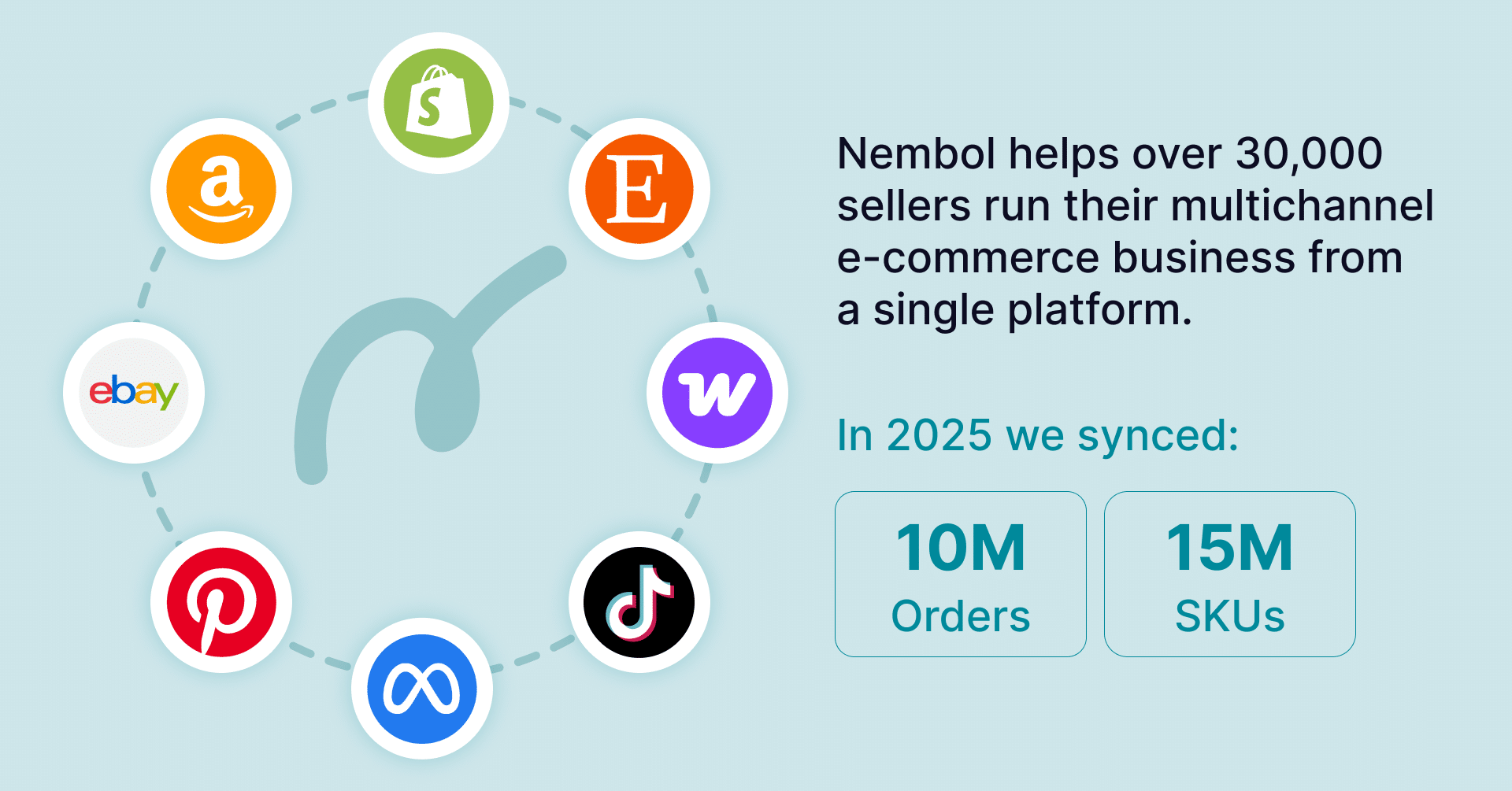
No native multichannel capabilities. Pattern reflects only your Etsy inventory. If you also sell on eBay, Amazon,TikTok, OnBuy, Google Merchant Center or your own Shopify and WooCommerce stores, Pattern offers no way to consolidate or synchronize those catalogs.
For sellers who want consistent, independent control over their storefront, and who want to reduce their exposure to marketplace fee structures, these limitations matter.
What are the best alternatives to Etsy pattern
If Pattern’s constraints don’t align with where your business is headed, the following platforms offer more robust, scalable, and independent options.
Shopify is the most widely adopted dedicated e-commerce platform for independent sellers, offering hundreds of themes, native payment processing, and a mature ecosystem of integrations. For a detailed comparison of Shopify and Pattern fees, see our Pattern by Etsy review.
WooCommerce is an open-source e-commerce plugin for WordPress. It gives you complete control over hosting, design, and data with no monthly platform fee, though it requires more technical upkeep than hosted solutions.
Wix and Squarespace are hosted website builders with integrated e-commerce modules. Both are reliable options for sellers who prioritize visual design and want a self-contained solution with minimal overhead.
For Etsy seller specifically Nembol Storefront is the most directly relevant and operationally coherent alternative to Pattern.

Nembol Storefront vs Pattern by Etsy
Pattern turns your Etsy shop into a website — but keeps you on Etsy’s rails. Nembol Storefront pulls from every channel you sell on, takes payments directly, and comes included in your plan.

How to move from Etsy Pattern to Nembol Storefront
Transitioning from Pattern by Etsy to Nembol Storefront does not require migrating product data manually. Nembol connects directly to your Etsy account and imports your existing listings into its central catalog. From there, activating Nembol Storefront is a matter of toggling the feature on and configuring a few settings.
The process, in sequence:
- Log into Nembol and connect your Etsy account. Nembol will automatically import all your products
- Activate Nembol Storefront. In Nembol’s left menu click on Storefront and enable it. Nembol will instantly generate your storefront using your imported product catalog.
- Customize your storefront settings. Configure your store visibility, design, branding, business details, domain, contact options, and payment settings to create a branded online shopping experience.
- Cancel your Pattern subscription. Once your Nembol Storefront is live and validated, you can cancel your Pattern subscription through your Etsy account settings. Pattern operates on a monthly billing cycle, so timing the cancellation to avoid an unnecessary charge is straightforward.
A notable operational benefit of this transition is continuity: because Nembol keeps your product catalog synchronized in real time across all connected channels, your Etsy shop and Nembol Storefront will remain consistent without any additional manual effort on your part. If you later add eBay, Amazon, or another channel to Nembol, those products will flow into your storefront automatically as well.
For sellers who have been constrained by Pattern’s dependence on Etsy’s ecosystem, Nembol Storefront offers a more durable and scalable foundation, one that grows with your business rather than around it.